
Progressive Pulmonary Fibrosis (PPF)
Progressive pulmonary fibrosis (PPF) describes a pattern of worsening lung fibrosis and decline in lung function over time, which can occur in idiopathic pulmonary fibrosis or in other fibrotic interstitial lung diseases such as connective tissue disease-associated ILD, hypersensitivity pneumonitis or unclassifiable fibrosis. Dr Mackintosh is first author of the Thoracic Society of Australia and New Zealand's treatment guideline covering PPF.
Diagnosis
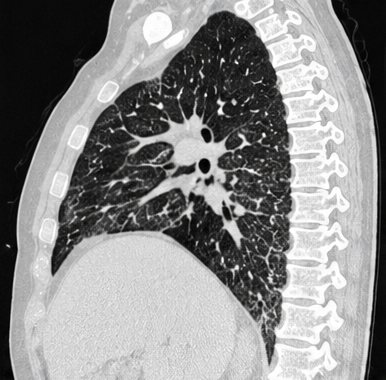
PPF is defined by radiological and/or physiological progression of fibrosis despite treatment of any underlying cause, in a patient with a fibrosing ILD other than IPF. Diagnostic criteria include worsening respiratory symptoms, a decline in FVC or DLCO, and radiological progression on HRCT, assessed against the 2022 international PPF diagnostic criteria.
Treatment & clinical trials
Antifibrotic therapy is available for PPF, alongside treatment of any underlying cause, pulmonary rehabilitation and symptom management. Dr Mackintosh was an investigator on the FIBRONEER-ILD trial of nerandomilast in progressive pulmonary fibrosis (N Engl J Med, 2025), and continues to recruit to clinical trials in PPF — see ILD Clinical Trials for what taking part involves and how to find a trial in Queensland.
Patient information
- Managing Progression in Pulmonary Fibrosis — fact sheet, Lung Foundation Australia.
Frequently asked questions
What is the difference between IPF and PPF?
IPF is a specific diagnosis of pulmonary fibrosis of unknown cause. Progressive pulmonary fibrosis (PPF) describes a pattern of worsening fibrosis over time that can occur in IPF, or in other fibrotic ILDs of known or associated cause, such as CTD-ILD or hypersensitivity pneumonitis.
Which conditions can progress to PPF?
Any fibrotic ILD can potentially show a progressive phenotype, including connective tissue disease-associated ILD, fibrotic hypersensitivity pneumonitis, familial pulmonary fibrosis and unclassifiable fibrotic ILD.
What treatments are available for PPF?
Antifibrotic therapy is used in PPF, alongside treatment of any underlying cause, pulmonary rehabilitation, symptom management and, where appropriate, assessment for lung transplantation. Clinical trials of novel antifibrotic agents are also available for eligible patients.
For referring clinicians
Referrals for suspected or confirmed PPF are welcome from GPs and specialists. Early referral supports timely diagnosis and access to the full range of management and trial options.
Related
Idiopathic pulmonary fibrosis, CTD-ILD and hypersensitivity pneumonitis — fibrotic ILDs that can show a progressive phenotype.