Telomere Biology Disorders
Telomere biology disorders — also known as short telomere syndromes — are genetic conditions in which telomeres shorten faster than expected, affecting organs that rely on ongoing cell renewal, including the lungs, bone marrow and liver. They are an important and under-recognised cause of familial and sporadic pulmonary fibrosis. Dr Mackintosh was a Co-Lead for the International Society of Heart and Lung Transplantation's (ISHLT) first consensus statement on short telomere syndrome and lung transplantation.
Recognising a telomere biology disorder
Pulmonary fibrosis may be the first or only apparent manifestation of a telomere biology disorder, but other clues can include premature greying of the hair, otherwise unexplained low blood counts or bone marrow failure, and liver disease — particularly when several of these occur in the same person or family. Diagnosis is supported by telomere length testing and, where indicated, genetic testing for telomere-related genes.
Dr Mackintosh's research group has published on airway telomere length in lung transplant recipients, the use of long-read sequencing for telomere length assessment, and premature hair greying as a clinical clue to an underlying telomere-related gene variant.
Treatment & clinical trials
Dr Mackintosh led the TELO-SCOPE study, a randomised, placebo-controlled Phase 2 trial of danazol for pulmonary fibrosis related to short telomeres, and continues to research treatment approaches for telomere-related lung disease. Management is individualised, taking into account the specific gene variant identified and the organs affected.
Lung transplantation
As part of the Queensland Lung Transplant Service, Dr Mackintosh assesses patients with telomere-related pulmonary fibrosis for lung transplantation. Telomere biology disorders carry specific implications before and after transplant, including choice of immunosuppression and monitoring for bone marrow and liver involvement, reflected in the ISHLT consensus statement he co-led.
Patient information
- What Is a Telomere Biology Disorder? and Pulmonary Fibrosis and Telomere Biology Disorders — Team Telomere.
Frequently asked questions
What is a telomere biology disorder?
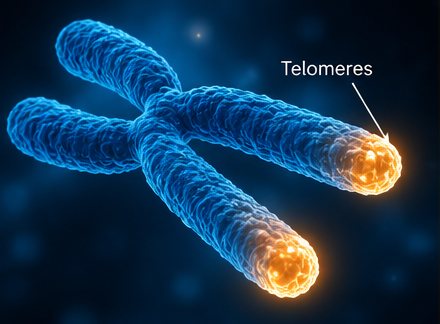
Telomere biology disorders (also called short telomere syndromes) are genetic conditions in which telomeres — the protective caps on the ends of chromosomes — shorten more quickly than normal. This can affect organs with high cell turnover, including the lungs, bone marrow and liver, and is an important cause of familial and some sporadic pulmonary fibrosis.
How does a telomere biology disorder affect lung transplantation?
Patients with telomere biology disorders can still be suitable candidates for lung transplantation, but the diagnosis affects pre- and post-transplant management, including choice and dosing of immunosuppression and monitoring for complications affecting other organs such as the bone marrow and liver.
What other features can suggest a telomere biology disorder?
Alongside pulmonary fibrosis, clues can include premature greying of the hair, unexplained low blood counts or bone marrow failure, and liver disease, particularly when these occur in the same individual or family.
For referring clinicians
Referrals are welcome for patients with suspected telomere-related pulmonary fibrosis, or with pulmonary fibrosis alongside unexplained cytopenias, bone marrow failure or liver disease.
Related
Familial pulmonary fibrosis — telomere biology disorders are one important genetic cause of pulmonary fibrosis clustering in families.