
Idiopathic Pulmonary Fibrosis (IPF)
Idiopathic pulmonary fibrosis (IPF) is a progressive form of interstitial lung disease characterised by scarring of the lung tissue of unknown cause. It typically affects older adults and progresses at a variable rate between individuals. Dr Mackintosh is first author of the current Thoracic Society of Australia and New Zealand position statement on the treatment of IPF and progressive pulmonary fibrosis (PPF).
Diagnosis
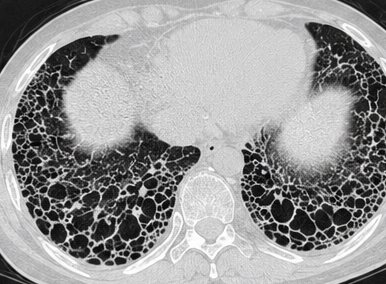
Diagnosis is usually made through a combination of clinical assessment, high-resolution CT (HRCT) imaging and multidisciplinary team review, in line with current international diagnostic criteria. This process helps distinguish IPF from other forms of pulmonary fibrosis that may have a different cause or treatment approach. IPF may sometimes be familial (see familial pulmonary fibrosis) and/or related to a telomere biology disorder (see telomere biology disorders).
Treatment
Management may include antifibrotic therapy, symptom management, pulmonary rehabilitation and — where appropriate — assessment for lung transplantation through the Queensland Lung Transplant Service. Dr Mackintosh was first author of the Thoracic Society of Australia and New Zealand's 2023 position statement on the treatment of IPF and PPF, published in Respirology, which for the first time in Australasia included specific guidance on managing PPF.
Clinical trials
Dr Mackintosh is Principal Investigator on a number of Phase 1–3 clinical trials in IPF and progressive pulmonary fibrosis, including studies of nerandomilast, treprostinil-related therapies and other novel antifibrotic agents. Trial availability and eligibility change over time — enquire via referral for current options, or see ILD Clinical Trials for what taking part involves and how to search for a trial in Queensland.
Patient information
- Idiopathic Pulmonary Fibrosis (IPF) and Anti-fibrotic Treatments for IPF — fact sheets, Lung Foundation Australia.
- What Is Idiopathic Pulmonary Fibrosis?, Medications for IPF and Nondrug Treatments for IPF — patient education series, American Thoracic Society.
Frequently asked questions
Is idiopathic pulmonary fibrosis hereditary?
Most cases of IPF are sporadic, but a family history of pulmonary fibrosis is present in a meaningful proportion of patients. Where two or more blood relatives are affected, this is termed familial pulmonary fibrosis, and genetic assessment may be considered.
What is the difference between IPF and progressive pulmonary fibrosis (PPF)?
IPF is a specific diagnosis of unknown cause. Progressive pulmonary fibrosis (PPF) describes a pattern of worsening fibrosis over time that can occur in IPF or in other fibrotic ILDs with a known or associated cause, such as connective tissue disease-associated ILD.
What treatments are available for IPF?
Antifibrotic medicines are the main disease-modifying treatment for IPF, alongside pulmonary rehabilitation, management of symptoms and comorbidities, and — where appropriate — assessment for lung transplantation. Clinical trials may also be an option for some patients.
For referring clinicians
Referrals for suspected or confirmed IPF are welcome from GPs and specialists. Early referral supports timely diagnosis and access to the full range of management and trial options.
Guidelines & research
Read more about Dr Mackintosh's guideline authorship and IPF-related research on the Research & Publications page, or find current trials through PACT — the Pulmonary Fibrosis Australasian Clinical Trials Network. For patient education videos and support resources, visit Patient Resources.