Interstitial Lung Disease (ILD)
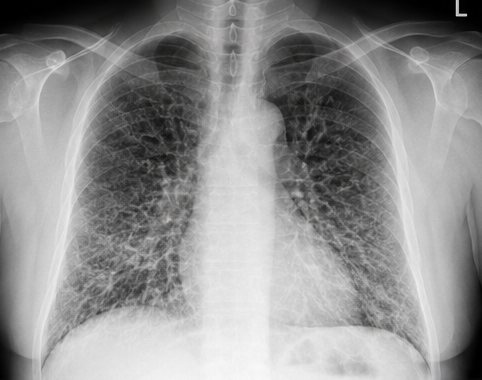
Interstitial lung disease (ILD) describes a large group of conditions that cause scarring or inflammation of the lung tissue (the interstitium), affecting how well the lungs take in oxygen. Some forms of ILD remain stable over time; others are progressive and require ongoing specialist management. Dr Mackintosh assesses and manages ILD for patients across Brisbane and Queensland.
Assessment
Assessment typically involves a detailed clinical history (including occupational, environmental and family history), pulmonary function testing, and review of high-resolution CT (HRCT) imaging. Many cases are discussed at a multidisciplinary team (MDT) meeting to confirm the radiological and clinical pattern and the likely underlying cause. Where a family history of lung fibrosis or a suggestive clinical picture is present, genetic assessment may also be considered — see familial pulmonary fibrosis and telomere biology disorders.
Dr Mackintosh co-chairs the Queensland Statewide Interstitial Lung Disease Multidisciplinary Meeting, which reviews complex cases from across Queensland on a weekly basis, and founded and chairs the Australasian ILD Genetics Multidisciplinary Meeting for cases with a suspected genetic basis.
Common categories of ILD
Connective tissue disease-associated ILD
ILD occurring alongside conditions such as systemic sclerosis, rheumatoid arthritis or the inflammatory myopathies, managed jointly with rheumatology.
Read moreHypersensitivity pneumonitis
ILD triggered by inhaled environmental or occupational antigens, requiring identification and avoidance of the trigger where possible.
Read moreAsbestosis
Pulmonary fibrosis caused by occupational asbestos exposure, an important cause of ILD in Queensland.
Read moreSarcoidosis
A granulomatous condition most often affecting the lungs and chest lymph nodes, occasionally progressing to lung fibrosis.
Read moreProgressive pulmonary fibrosis
A pattern of worsening fibrosis over time, occurring in IPF or other fibrotic ILDs.
Read moreFamilial & genetic ILD
ILD occurring in more than one family member, sometimes linked to telomere-related or other gene variants.
Read moreOngoing management
Management is tailored to the specific type and behaviour of ILD identified, and may include active monitoring, treatment of an underlying cause (such as a connective tissue disease or an environmental exposure), pulmonary rehabilitation, or antifibrotic therapy or clinical trial options where relevant. Patients with progressive disease may be assessed for lung transplantation through the Queensland Lung Transplant Service.
Patient information
Living with Pulmonary Fibrosis fact sheets and booklets, Lung Foundation Australia and the Centre of Research Excellence in Pulmonary Fibrosis:
Frequently asked questions
What is interstitial lung disease?
Interstitial lung disease (ILD) is a broad term for more than 200 conditions that cause scarring or inflammation of the lung tissue (the interstitium), which sits between the air sacs. This can make the lungs stiffer and reduce how well oxygen passes into the blood.
Is interstitial lung disease the same as pulmonary fibrosis?
No. Pulmonary fibrosis (permanent scarring) is one possible outcome of some forms of ILD, but not all ILD is fibrotic, and not all fibrotic ILD behaves the same way. Idiopathic pulmonary fibrosis is one specific, well-defined type of fibrotic ILD.
How is ILD diagnosed?
Diagnosis typically combines clinical history, pulmonary function tests and high-resolution CT (HRCT) imaging, often reviewed at a multidisciplinary team meeting. Where a family history of lung fibrosis is present, genetic assessment may also be considered.
For referring clinicians
Dr Mackintosh accepts referrals from GPs and specialists for assessment and ongoing shared care of patients with suspected or confirmed ILD.
Patient resources
For plain-language information, support services and patient education videos on ILD, visit the Patient Resources page.